How Optimized Business Systems Drive Better Decision-Making and Profitability
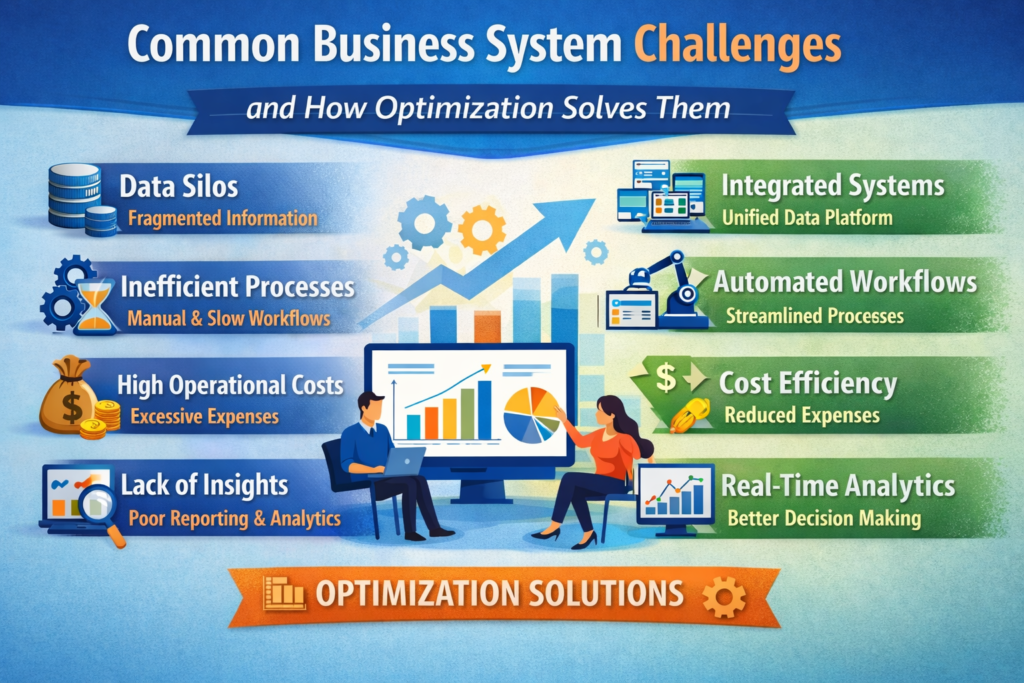
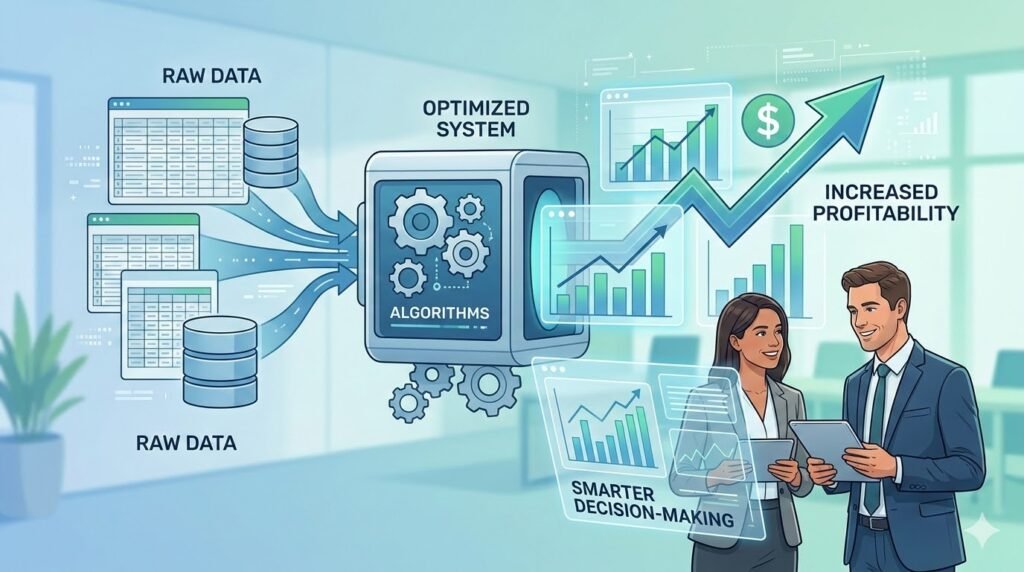
Introduction to Optimized Business Systems In today’s rapidly evolving business landscape, optimized business systems play a pivotal role in the success of organizations. These systems are designed to enhance efficiency and streamline processes by integrating technology with organizational workflows. At their core, optimized business systems facilitate the smooth flow of information, enabling companies to make informed decisions based on real-time data. The importance of these systems cannot be overstated. Modern businesses face an array of challenges, from increasing competition to shifting consumer preferences. In this context, the integration of optimized systems becomes essential. They provide a framework that supports not only the operational aspects of a company but also its strategic initiatives. By aligning technology with business goals, these systems foster a culture of efficiency where resources are utilized effectively. Furthermore, optimized business systems serve as the backbone for informed decision-making. When processes are streamlined and data is readily accessible, decision-makers can analyze trends and identify opportunities for growth quickly. This agility allows organizations to respond to market changes instantly, enhancing their competitive edge. The result is a more profitable business model that is not just reactive but proactive in addressing the challenges of the marketplace. In summary, the integration of optimized business systems is critical for any modern organization aiming to thrive in an increasingly complex environment. By ensuring that processes are efficient and that technology is effectively integrated, businesses can drive better decision-making and ultimately increase their profitability. Understanding Business Processes and Their Optimization Within any organization, business processes are the critical activities that transform inputs into outputs, leading to the delivery of products or services to customers. These processes can range across various functions, including sales, marketing, operations, finance, and human resources. Understanding these interconnected processes is vital as they dictate the efficiency and effectiveness of an organization. However, many businesses face challenges that hinder their performance. These may include inefficiencies due to manual operations, lack of standardization, or delays in communication. Optimization of business processes involves applying systematic methods to enhance performance. This may include techniques such as process mapping, where organizations visualize workflows to identify bottlenecks, redundancies, or areas of improvement. Lean management and Six Sigma are also methodologies employed to eliminate waste and reduce variability, thereby streamlining operations. Utilizing these techniques not only improves efficiency but also enhances the quality of products or services delivered. Moreover, technology plays a pivotal role in optimizing business processes. The adoption of automation tools and software solutions can lead to significant enhancements in productivity. Organizations are increasingly integrating data analytics to monitor workflows and performance metrics, enabling informed decision-making. The analysis of key performance indicators (KPIs) allows companies to measure the effectiveness of their processes, making it easier to spot trends and implement necessary changes promptly. Ultimately, the goal of optimizing business processes is to achieve greater productivity while also maximizing reliability and quality. By effectively addressing common challenges and implementing strategic optimizations, companies position themselves to respond swiftly to changes in market demands or operational hurdles, thus driving better decision-making and profitability. The Role of Data in Decision-Making In today’s highly competitive business environment, the role of data in decision-making is paramount. Optimized business systems leverage data as a critical asset for informing strategic choices and driving profitability. An effective approach to decision-making involves comprehensive data collection and thorough analysis, which allow businesses to understand market trends, customer preferences, and operational efficiencies. Data collection can come from various sources, including customer interactions, market research, and operational metrics. This information is instrumental in painting a holistic picture of the business landscape. With optimized systems in place, organizations can ensure that they capture relevant data across all touchpoints, which enhances accuracy and reliability in their analytics efforts. Furthermore, the importance of real-time data cannot be overstated. In an era where market conditions can shift rapidly, having access to up-to-date information enables businesses to respond quickly to emerging opportunities or threats. Real-time analytics facilitate timely interventions and adjustments in strategy, thereby maximizing operational effectiveness and maintaining a competitive edge. To harness the power of data, businesses can leverage advanced data analytics tools that provide in-depth insights into their operations. These tools can analyze large volumes of data efficiently, uncovering patterns and correlations that might not be visible through traditional methods. By employing data analytics, organizations can make informed decisions based on empirical evidence, which significantly reduces reliance on intuition or guesswork. In conclusion, the integration of robust data practices within optimized business systems is essential for effective decision-making. As organizations continue to evolve, prioritizing data-driven strategies will ensure that they not only enhance their decision-making processes but also increase profitability and sustainability in the long run. Benefits of Implementing Optimized Business Systems Implementing optimized business systems offers numerous advantages that significantly enhance the operational capabilities of any organization. One of the primary benefits is improved efficiency; business systems that are streamlined and tailored to specific needs allow organizations to operate more fluidly and minimize redundancies. For instance, a manufacturing company that integrates an optimized inventory management system can swiftly track materials, reducing delays and improving overall throughput. Another critical benefit is the reduction of operational costs. By automating routine tasks and eliminating errors, optimized business systems can lead to decreased labor costs and resource utilization. For example, a retail enterprise that adopts an optimized point-of-sale system can reduce the time employees spend managing transactions, thereby allowing them to focus on customer service, which is paramount in today’s competitive market. Enhanced customer satisfaction is also a significant outcome of implementing optimized business systems. When processes are efficient and well-organized, customers experience quicker response times and more accurate service delivery. A well-known tech company, for example, found that by using an optimized customer relationship management (CRM) system, they were able to analyze customer feedback in real-time and address concerns promptly, leading to an increase in customer loyalty. Finally, the implementation of optimized business systems creates opportunities for increased revenue streams. Businesses can analyze performance data more effectively and identify new market